Aerospace Team Graz wins EuRoC for a third time
The Austrian team has won the European Rocketry Challenge for the second year running, in an edition that saw the debut of a category for new teams, in which Portugal’s MAST launched and recovered a rocket at its very first attempt.
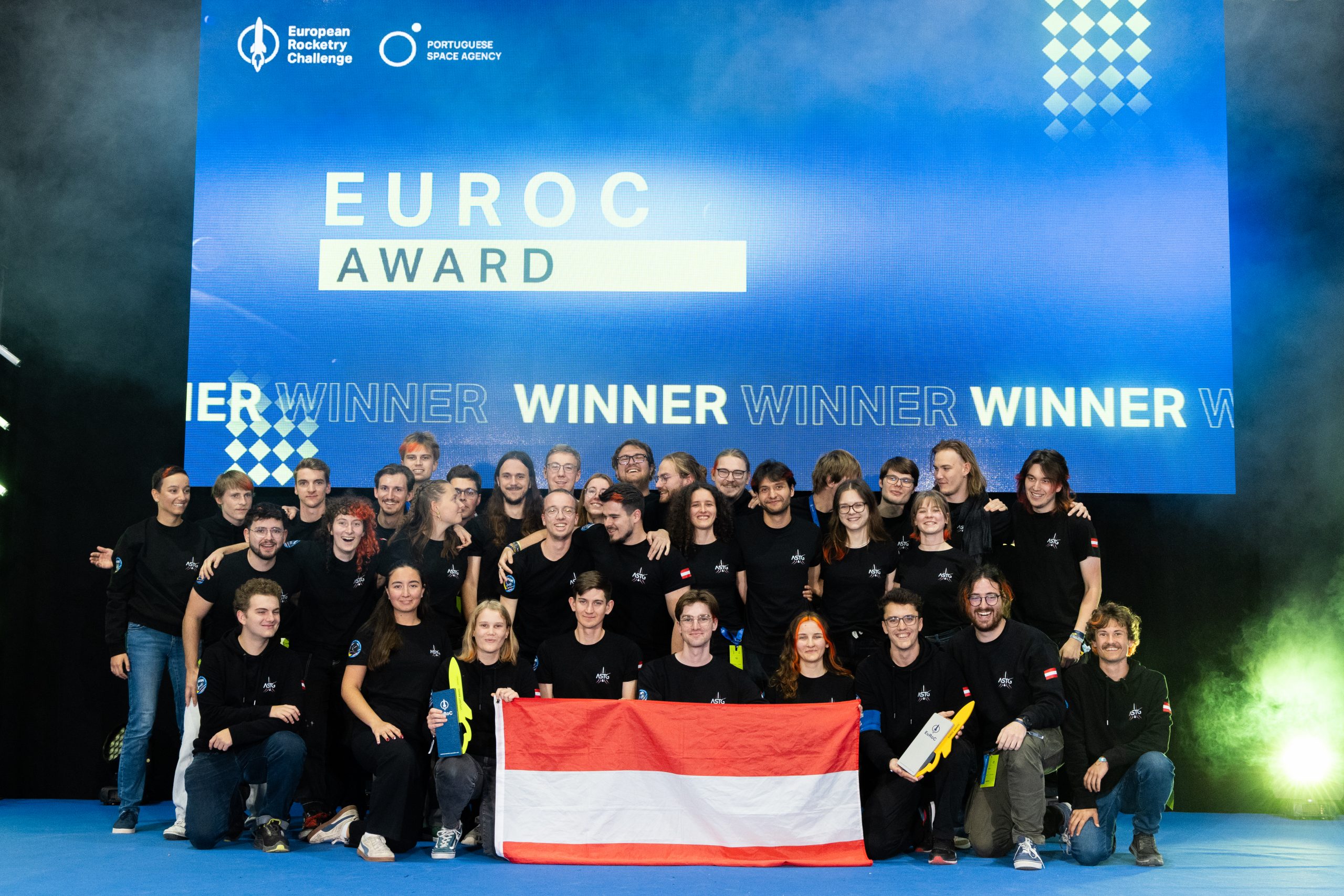
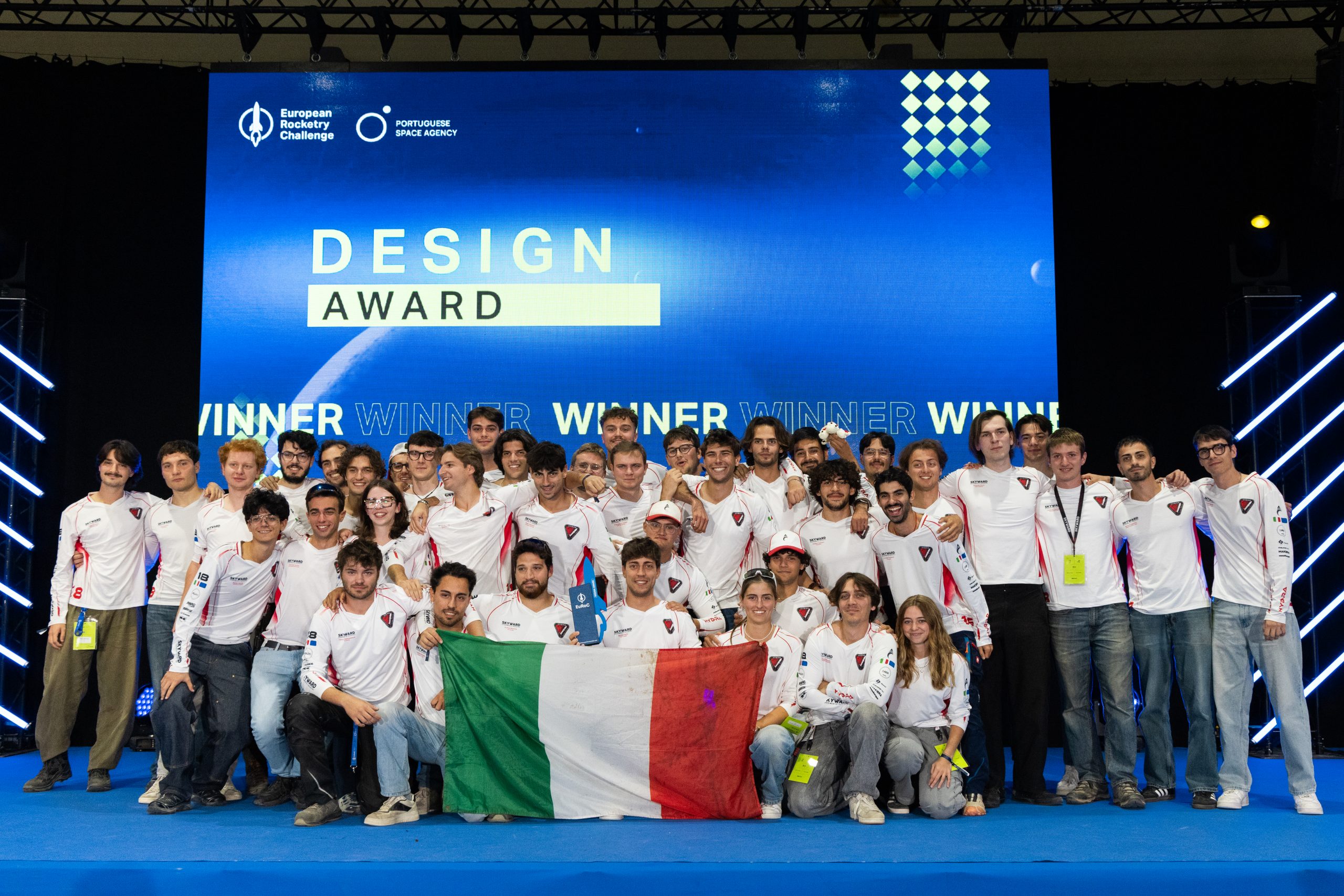
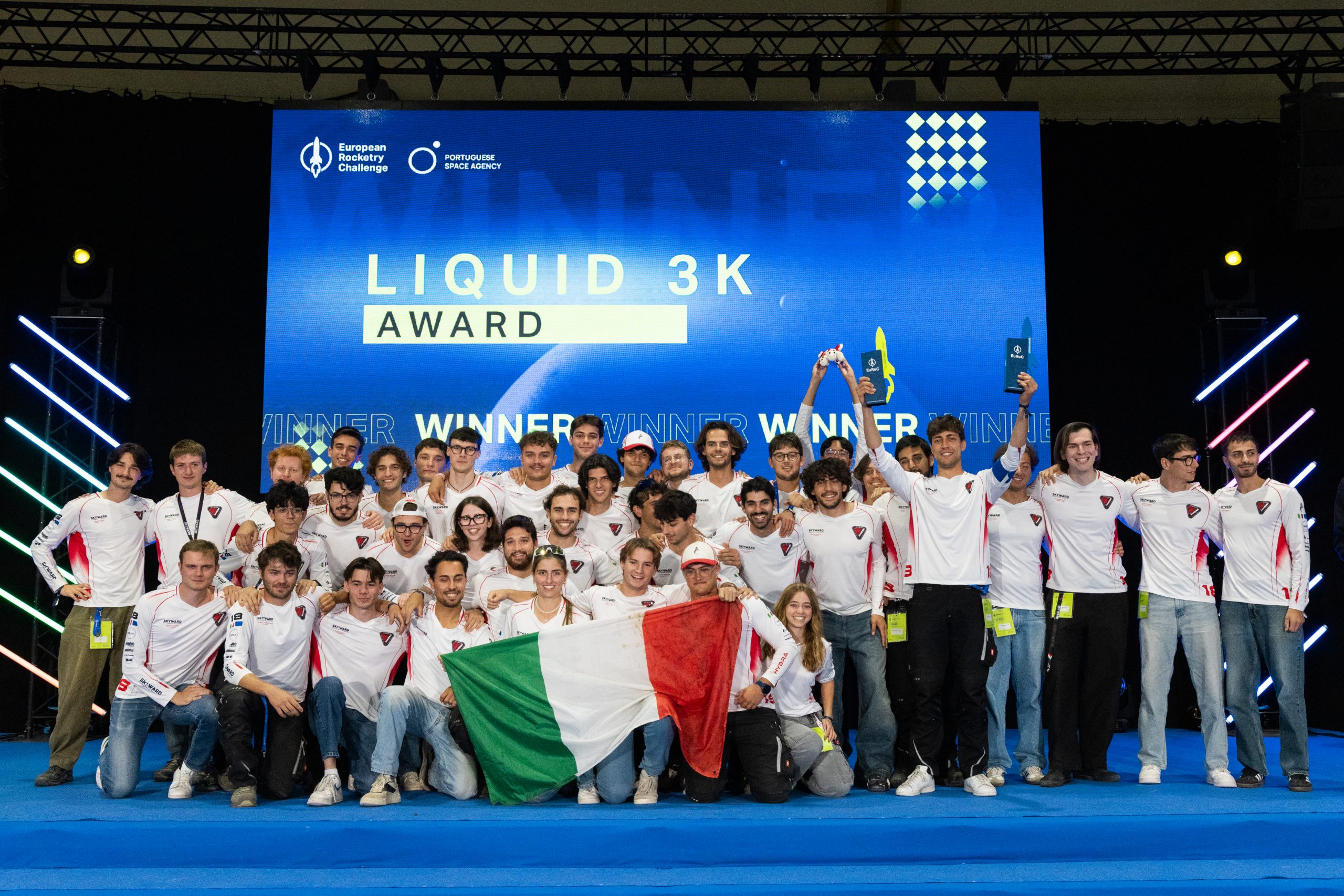
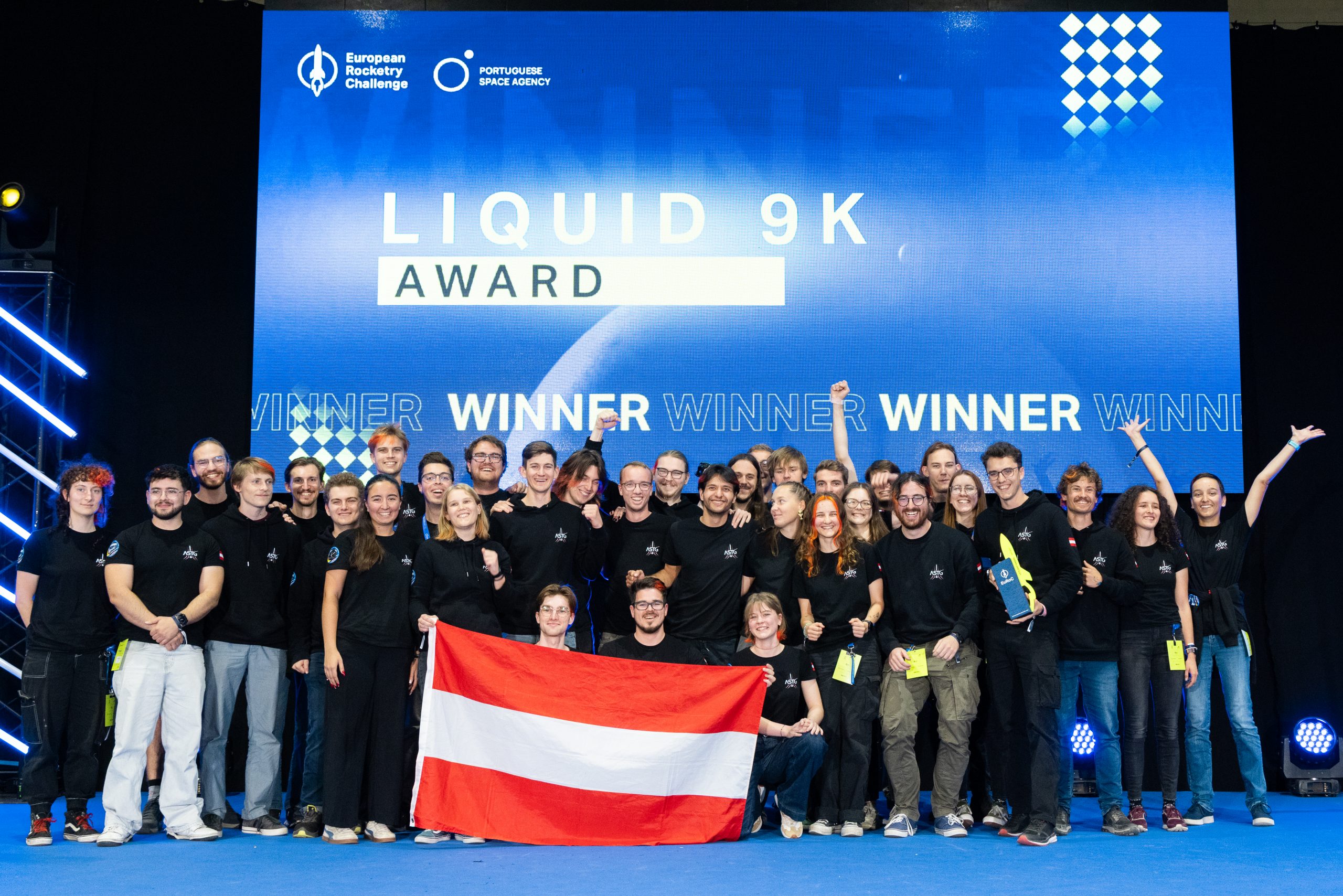
The Aerospace Team Graz (ASTG) rocket achieved the best flight in the liquid propulsion category, reaching 9,000 metres and using the same technology as launchers that put satellites into orbit. That flight helped secure the Austrian team the EuRoC Award, the competition’s top honour, which assesses vehicle design, technical documentation, teamwork and flight performance. ASTG, which had also won in 2023 and 2025, has now broken the run of alternating victories with Italy’s Skyward Experimental Rocketry (SKY), winners in 2022 and 2024. This year, Skyward left Constância with the Design Award and the Flight Award for liquid propulsion at 3,000 metres.
The seventh edition of EuRoC, organised by the Portuguese Space Agency, concluded on Wednesday 21 October in Constância. For a week, around 700 students from universities in 13 countries split their time between the paddock, where teams put the finishing touches to their rockets, and the launch pads at the Santa Margarida Military Camp, from which 12 rockets lifted off over four days of launches.
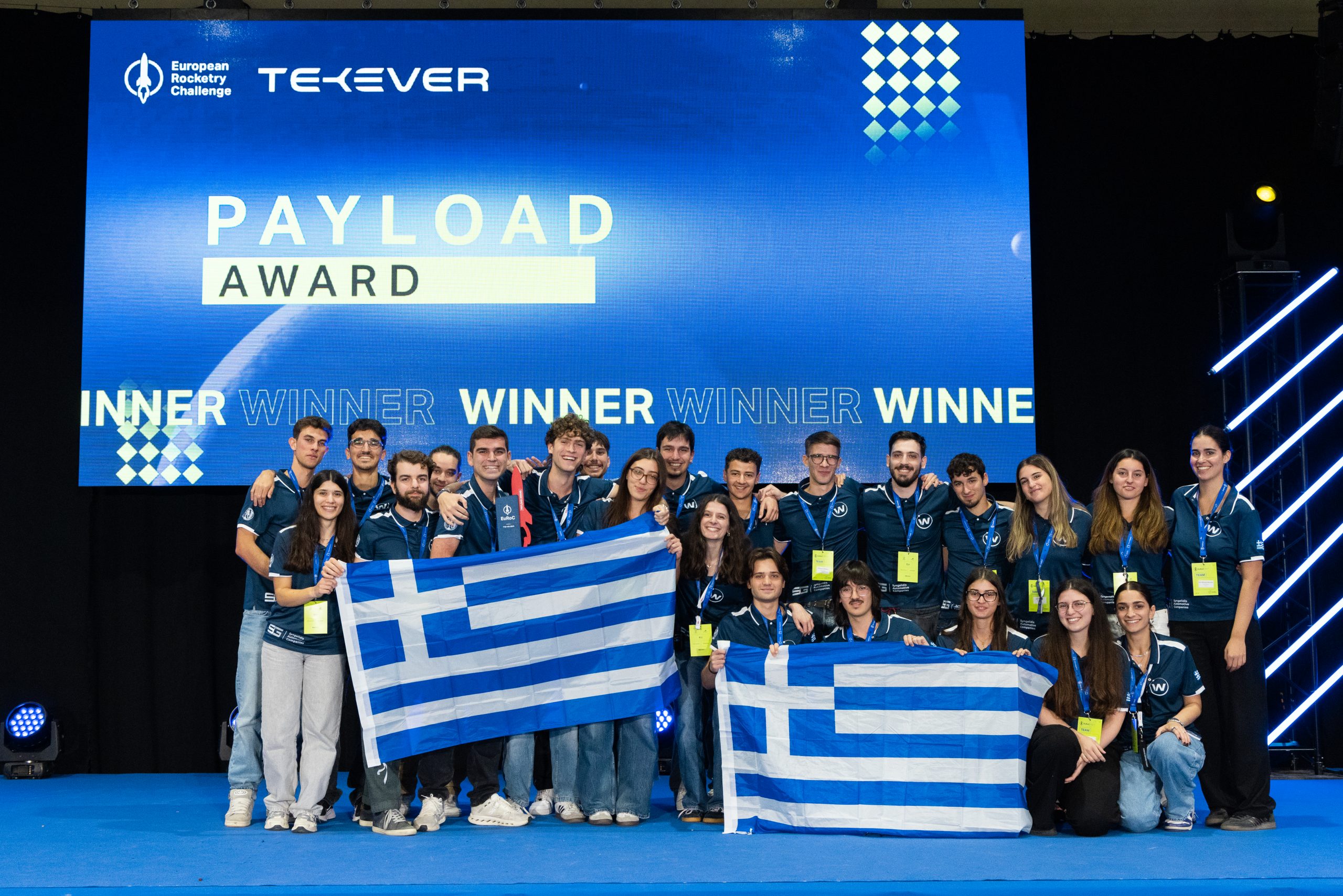
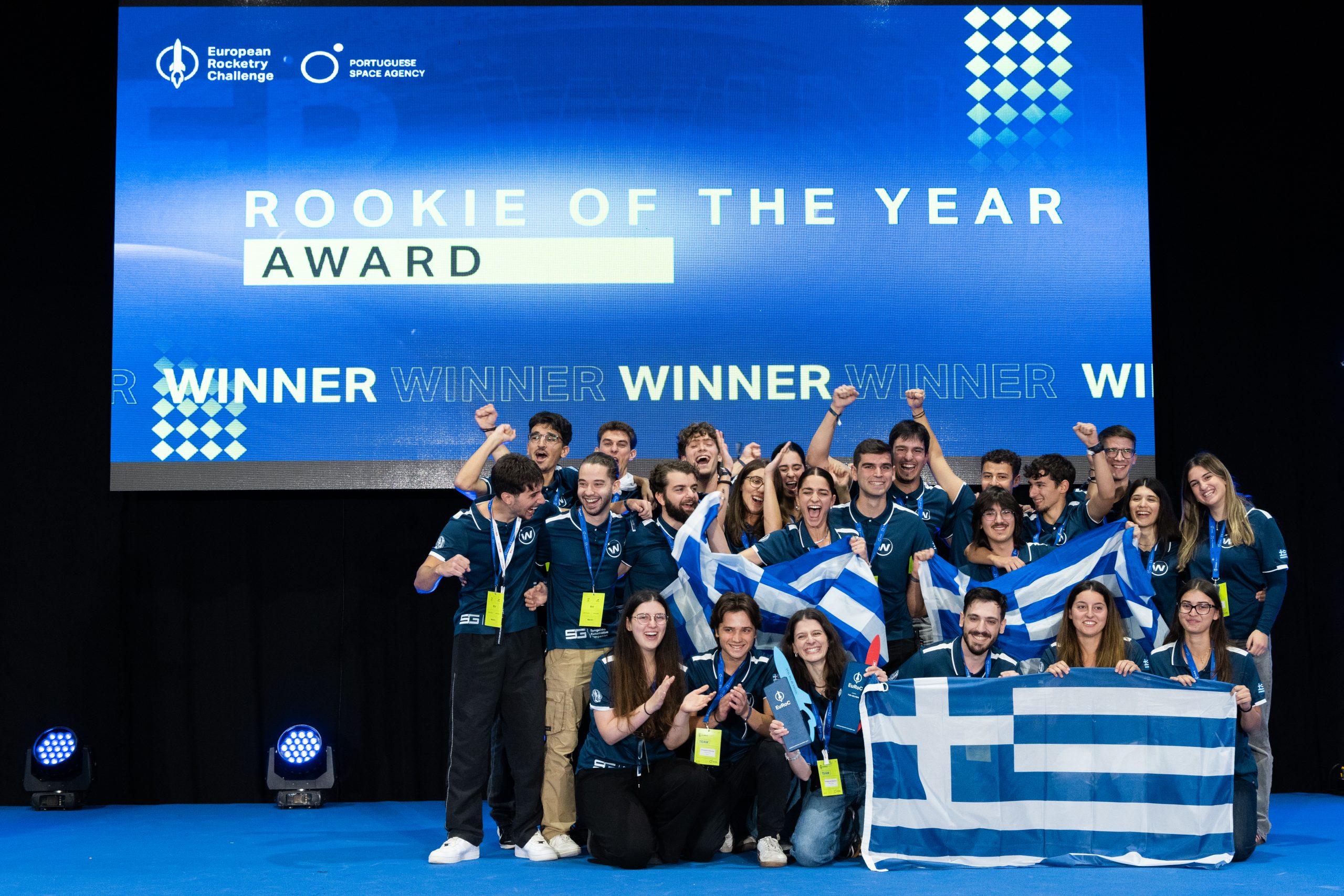
For the first time, this year’s edition set aside five places for newcomers, launching the Rookie category. Greece’s White Noise left Portugal with two awards: Rookie of the Year, for the best debut team, and the Payload Award, for the best payload.
“This edition showed that it is possible to open the competition to new teams without compromising the technical standards that define EuRoC. For these students, it was the first opportunity to turn months of development into a real project, facing the same technical and safety challenges as in industry,” says Marta Gonçalves, Education and Science Programme Manager at the Portuguese Space Agency and one of the people in charge of the competition.
Among the newcomers was the Minho Aerospace Students’ Team (MAST), founded in 2024 at the University of Minho. Its rocket, Mirage, reached 3,000 metres and was recovered, a feat no Portuguese team had achieved on debut. The Rocket Experiment Division (RED) from Instituto Superior Técnico, which has taken part since 2021, withdrew due to technical problems the team could not resolve in time. North Space, from the universities of Porto and Lisbon, was selected but did not reach the final stage after setbacks in developing its rocket.
“EuRoC has become a European benchmark because we have managed to create an environment in which the next generation develops technology in conditions close to those of industry. Many of the students who have come through EuRoC now work for companies in the sector or have started their own businesses. That is the competition’s impact: developing the talent that Europe’s space industry needs, making it stronger and more autonomous,” says Ricardo Conde, President of the Portuguese Space Agency.
EuRoC once again had the support of the Portuguese Army, which made the Santa Margarida Military Camp available for the launches. Constância Municipal Council hosted the teams and the paddock and provided the staff needed to run the competition. This year, ESA took on the role of strategic partner, and EuRoC was also supported by Neuraspace, TEKEVER and Momentum Aerospace.
EuRoC 2026 Awards
EuRoC Award: Aerospace Team Graz (Austria)
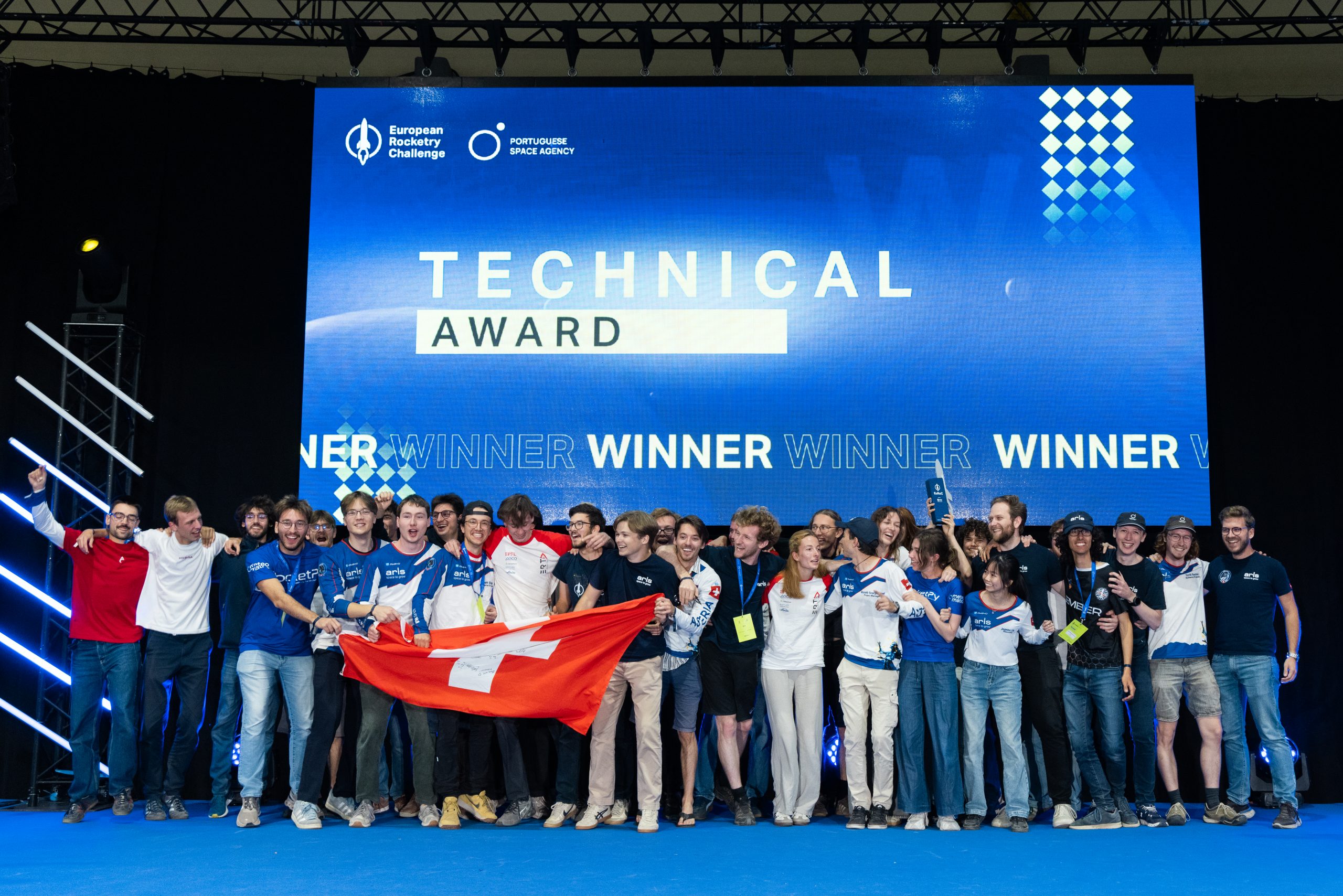
Technical Award: ARIS (Switzerland)
Design Award: Skyward Experimental Rocketry (Italy)
Payload Award: White Noise (Greece)
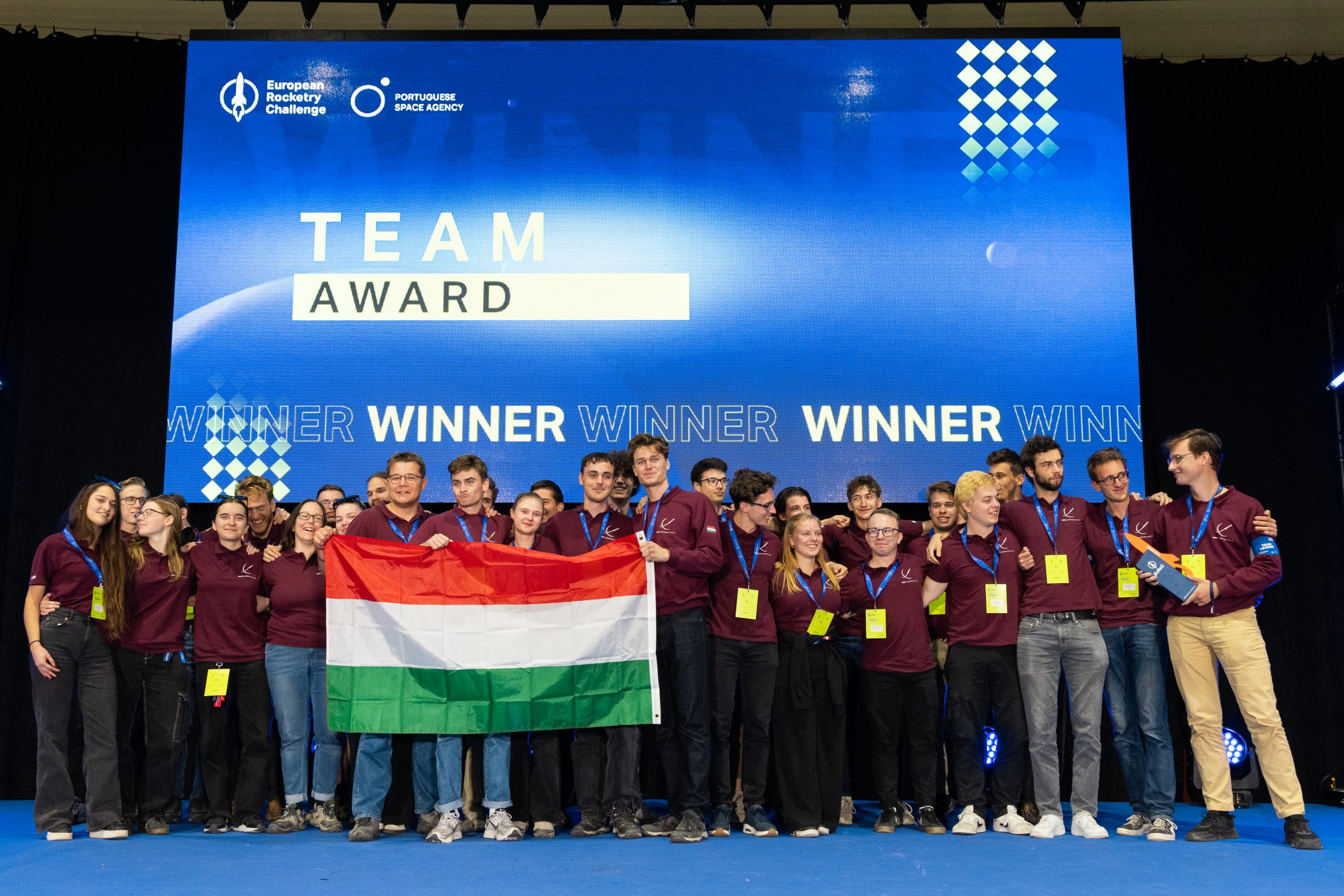
Team Award: BME Suborbitals (Hungary)
Flight Award Liquid 9K: Aerospace Team Graz (Austria)
Flight Award Liquid 3K: Skyward Experimental Rocketry (Italy)
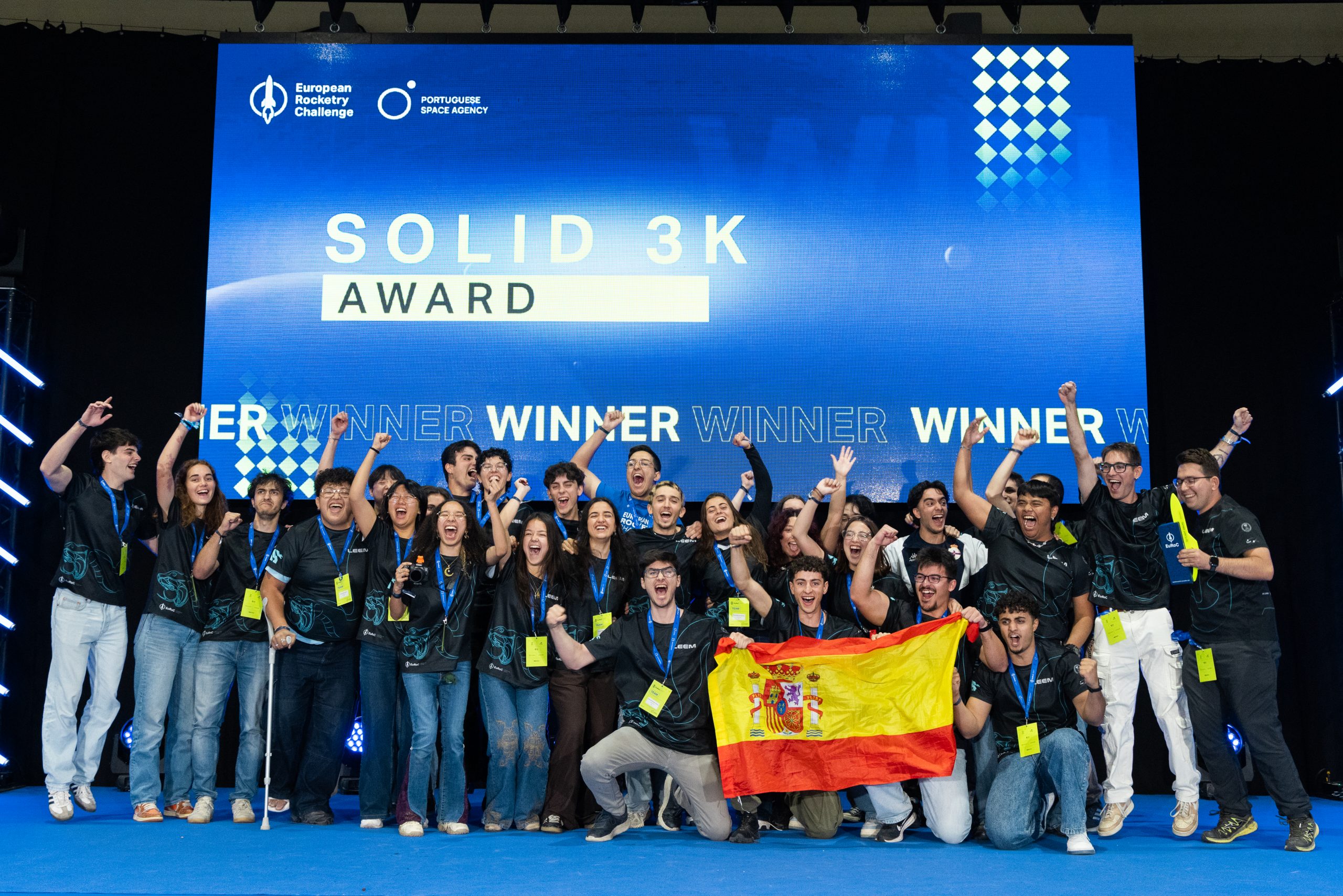
Flight Award Solid 3K: LEEM-UPM (Spain)
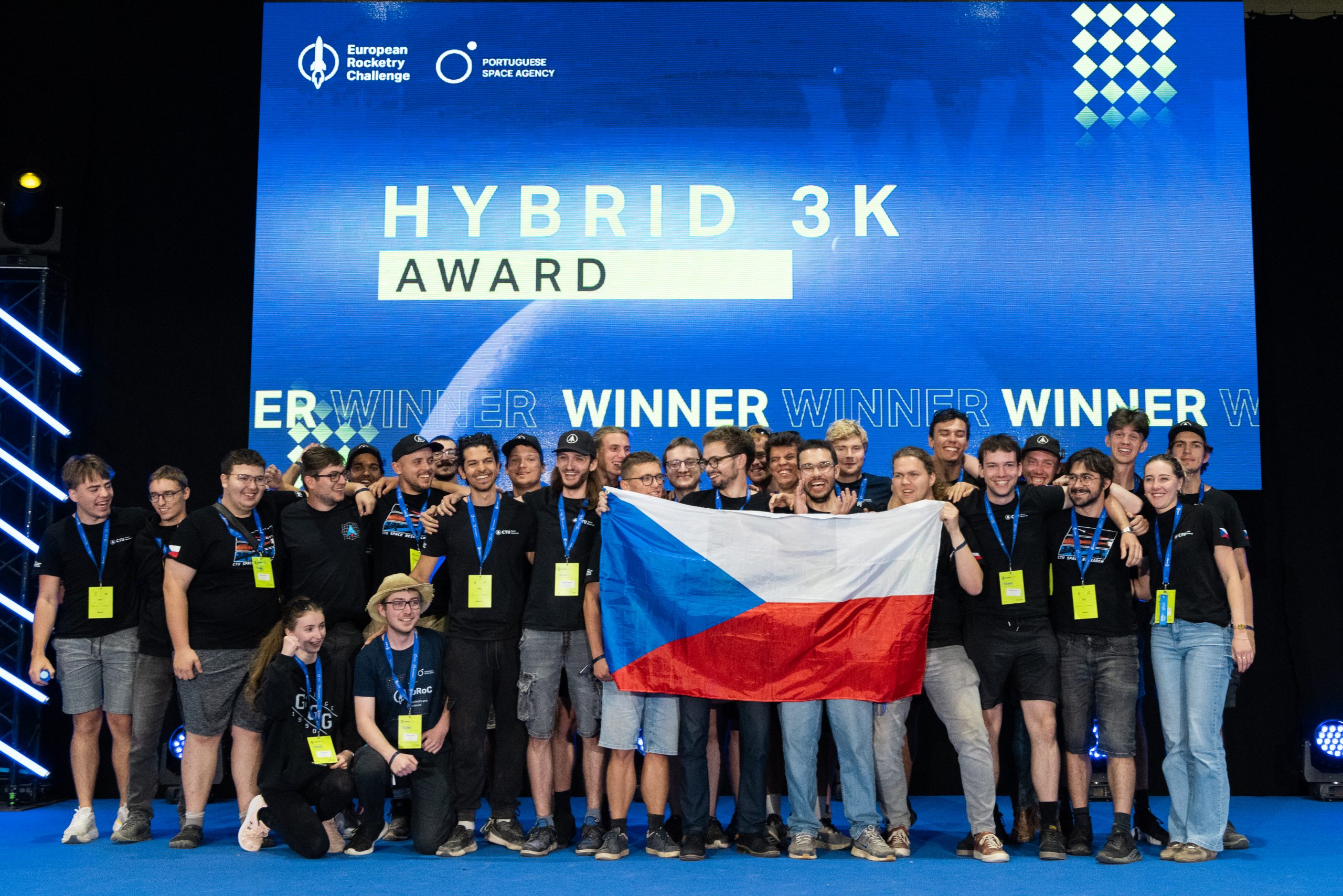
Flight Award Hybrid 3K: CTU Space Research (Czechia)
Rookie of the Year: White Noise (Greece)